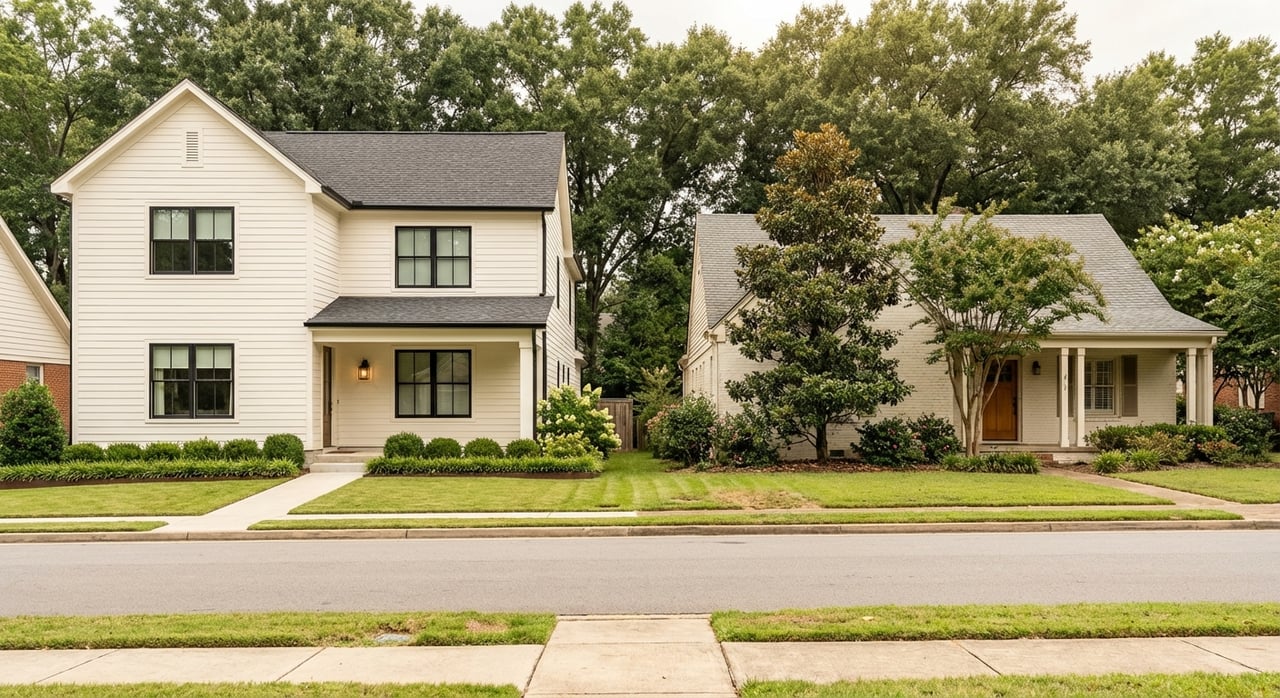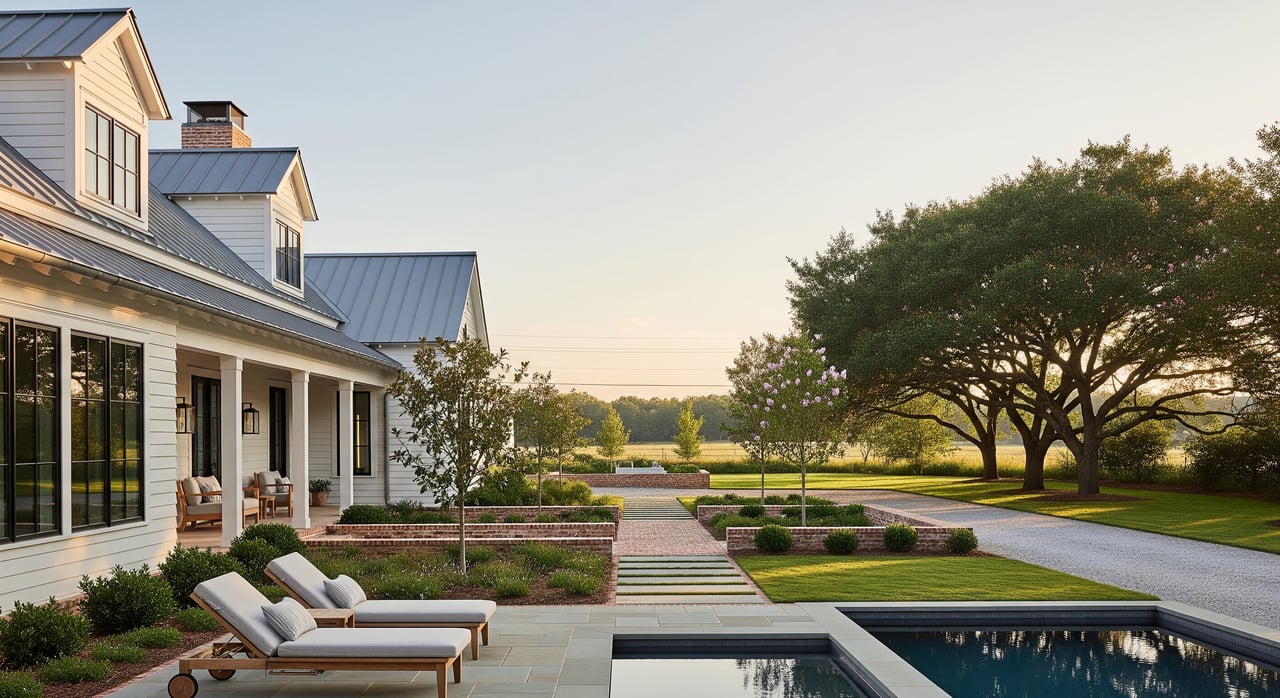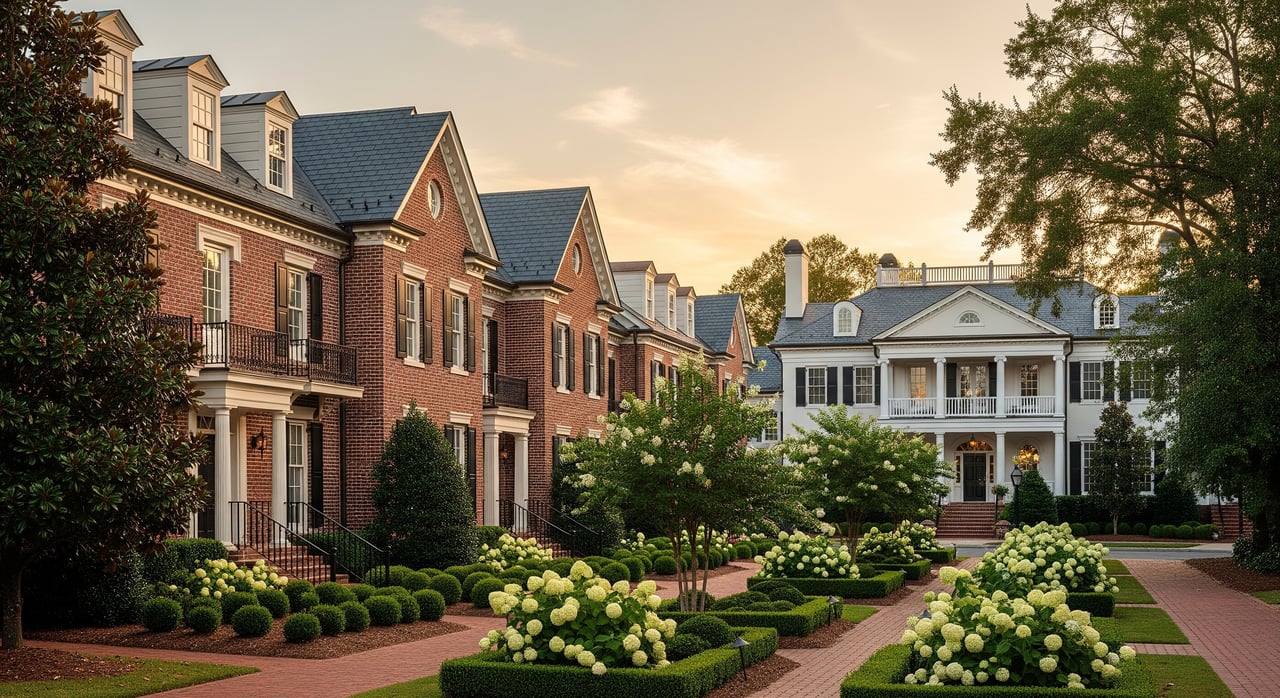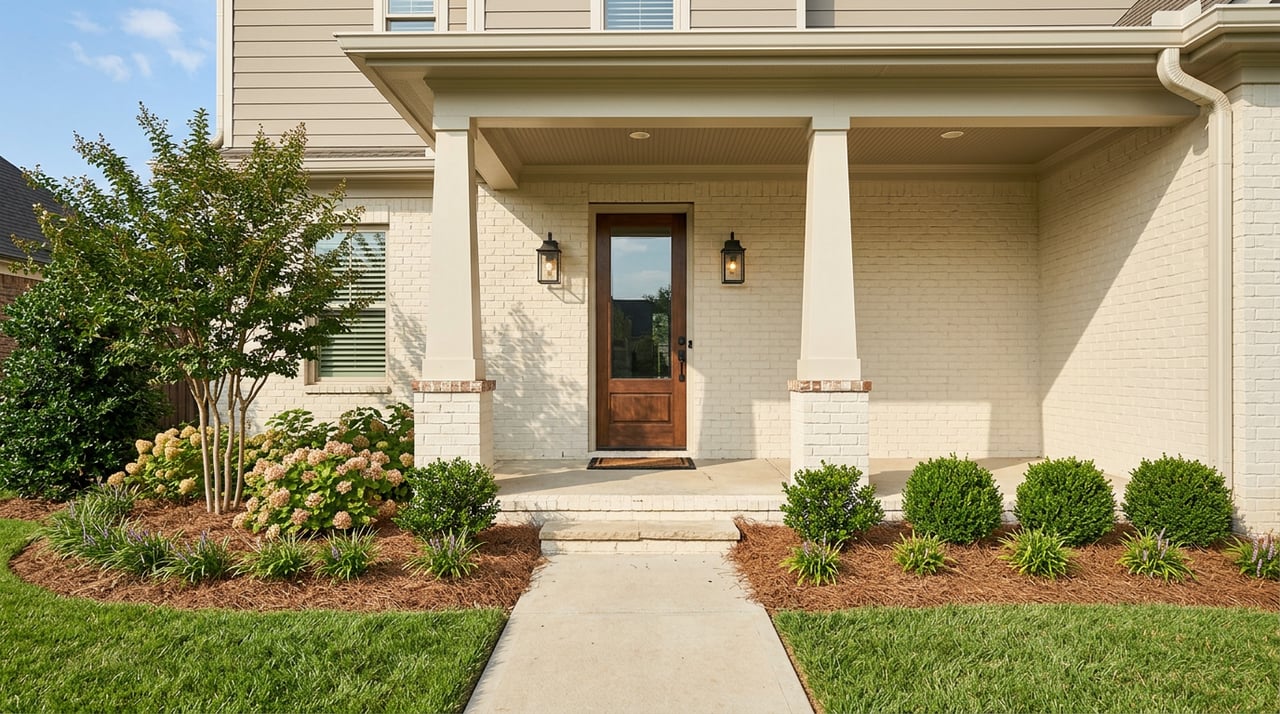
Trying to match your lifestyle to the right Wake Forest neighborhood can feel overwhelming. You might love the idea of morning walks to coffee, or you may crave resort-style amenities and easy weekend fun. The good news is that Wake Forest offers clear options for different ways of living. In this guide, you will compare four neighborhood types, weigh the tradeoffs, and use a simple checklist to choose with confidence. Let’s dive in.
Quick self-check: What matters most?
Ask yourself a few fast questions to narrow your search:
- Do you want to walk to shops and events, or do you prefer community amenities like pools, fitness, and trails inside your neighborhood?
- Is low maintenance your priority, or are you open to caring for an older home with unique character?
- Are golf, larger lots, and a private club lifestyle appealing, or do you prefer new-build convenience and warranties?
- How important is direct trail and park access for daily outdoor time?
- Do you want firm design rules through an HOA, or more flexibility?
Keep your answers in mind as you explore the options below.
Wake Forest at a glance
Wake Forest sits about 18 miles north of downtown Raleigh, with typical off-peak drives in the 20 to 35 minute range along US-1 and NC-98. Commute times vary with traffic, so plan to test your route during your actual drive window.
Town-wide, typical home values often track around the 500 thousand dollar range depending on the source and micro-area. Exact prices vary by neighborhood and property type. When you get serious, review recent nearby solds within six to twelve months for the most accurate picture.
One of Wake Forest’s biggest lifestyle perks is its network of parks and greenways. Locals love the 117-acre E. Carroll Joyner Park with about 3 miles of paved trails and frequent community programming. Explore details on the town’s greenways and trail connections to see how neighborhoods plug into the system. Nearby Forest Ridge Park at Falls Lake adds 587 acres of outdoor space with water access and wooded trails, a favorite weekend escape.
- Learn about Joyner Park: E. Carroll Joyner Park
- See how the greenways connect: Town greenways and trails
- Explore regional outdoor access: Forest Ridge Park at Falls Lake
Four neighborhood fits in Wake Forest
Historic in-town districts
If walkability and architectural character speak to you, start with the original town core around the former college campus and Main Street. The Wake Forest Historic District includes homes with a period of significance from roughly 1820 to 1953, featuring Colonial Revival, Federal, and other early American styles. Street trees, front porches, and varied facades give these streets a timeless feel.
Daily life here is about being close to Main Street shops, local restaurants, and a steady calendar of town events like markets and concerts. For a sense of downtown’s year-round activities, browse this overview of what to see and do. Smaller parks sit nearby, and you are a short drive to Joyner Park and Forest Ridge Park for bigger green spaces.
- Explore the district: Wake Forest Historic District
- Downtown culture and events: What to see and do
What to know before you buy: Local historic districts often require a Certificate of Appropriateness for exterior changes. Review the town’s preservation FAQs early so you understand design review and timelines. HOAs are less common here than in newer subdivisions, but preservation rules may guide what you can alter on the exterior.
- Understand the rules: Historic preservation FAQs
Best for: You want walkable streets, a close connection to downtown life, and the charm of older homes. Be ready for potential maintenance on older systems and for design review on exterior projects.
Master-planned communities
If you want a predictable amenity set and coordinated neighborhood programming, look at master-planned communities like Traditions and the broader Heritage area. These large developments typically include a mix of home types, resort-style pools, clubhouses, playgrounds, and connected greenways. Many homes were built in the 2000s through the 2020s, so you often get modern layouts, energy features, and lower near-term maintenance.
Amenities and social life are the draw. You will see neighborhood events, trail connectivity, and sometimes age-targeted sections. For instance, Del Webb at Traditions offers an active-adult component within the larger plan, which shows how master plans can segment amenities for different lifestyles.
- Example of an age-targeted section: Del Webb at Traditions announcement
- Map how trails tie in: Town greenways and trails
HOAs are standard in master-planned communities. Dues vary based on what is included, from grounds maintenance to full amenity operations. Nationally, a recent report cited a median HOA fee of about 125 dollars per month, but your local dues may be lower or higher depending on amenities. Always review covenants, budgets, reserves, and any history of special assessments so you know what you are paying for.
Best for: You want amenities you will use weekly, lower yard work if the HOA maintains it, and an active neighborhood calendar. Be prepared for monthly dues and design guidelines that keep a cohesive look.
Golf-oriented enclaves
For a private club vibe with scenic course views and larger lots, consider Wake Forest’s golf-centered neighborhoods. Hasentree features a Tom Fazio course, newer custom homes, and a community focus on country club amenities such as pools, tennis, fitness, and social programming. Some parts of Heritage also orient around golf and club life, with a range of homes from townhomes to upscale single-family on or near the course.
- See an example community: Hasentree overview
- Explore club context: Heritage Golf Club
Living near the course brings manicured open space and internal trail systems, with Falls Lake and Forest Ridge Park nearby for boating and hiking. In these communities, plan for two layers of costs. You will typically have an HOA for neighborhood upkeep and separate club memberships for golf and certain amenities. Ask for clear details on what the HOA covers versus what requires a club membership.
Best for: You want a resort-style social life, mature landscaping, and course views. Understand membership structures and design guidelines before you commit.
Newer suburban developments
If turnkey living and modern systems are your priority, check newer builder neighborhoods and infill pockets from the 1990s forward, with many built in the 2010s and 2020s. You will see open floor plans, energy-efficient features, and attached garages. Yards may be modest, but sidewalks and small parks are common, and many locations highlight proximity to the town’s greenway network.
- Typical new-construction pocket: Lennar at Tryon area
- Plan daily walks and bike rides: Town greenways and trails
Most new subdivisions have HOAs with monthly or quarterly dues to maintain common areas and amenities. Use the national median HOA fee as a rough starting point and then confirm what your specific dues cover. Review covenants for exterior guidelines, parking rules, and any rental restrictions if that matters to you.
Best for: You want modern layouts and systems under warranty with a neighborhood feel and access to town trails. Expect HOA rules and typically smaller yards than you would find in rural areas.
Compare by what matters to you
Use this checklist to choose your best fit:
- Home age and upkeep. Older homes may need system updates, roof evaluations, and insulation improvements. New builds offer warranties but still check grading and drainage.
- Amenities you will use weekly. Downtown walkability puts you near shops and events. Master-planned and golf communities bundle pools, clubhouses, and organized activities. Confirm which amenities require a club membership versus standard HOA access.
- Green space and trail access. Map each listing to Joyner Park and the town greenways. Easy trail access can change your daily routine in a very good way.
- Commute predictability. Wake Forest to downtown Raleigh is about 18 miles. Drive times depend on the time of day and US-1 traffic. Test the route you will actually drive during your commute window.
- HOA and recurring costs. Budget for dues, then read the covenants, financials, and meeting minutes. Look for reserves and any history of special assessments so there are no surprises.
- Price and resale. Town-wide estimates land near the 500 thousand dollar range in many snapshots, but micro-markets vary. Pull recent solds within six to twelve months right around your target street.
- Regulatory checks. If a property is in the Historic District, review Certificate of Appropriateness rules and timelines. If a property is near streams or open space, check setbacks and floodplain data with county resources.
Helpful resources:
- Park and trail system: Town greenways and trails
- Joyner Park details: E. Carroll Joyner Park
- Historic rules and COA process: Preservation FAQs
- Parcel and floodplain checks: Wake County parcel data
Neighborhood examples to explore
- Wake Forest Historic District around North and South Main for walkable character and preserved architecture.
- Traditions and the Heritage area for master-planned living with amenities and trail connections.
- Hasentree and golf-adjacent pockets near Heritage Golf Club for course views and club lifestyle.
- Newer builder enclaves and infill phases for modern layouts and warranties, often with sidewalks and pocket parks.
Smart due diligence before you buy
- Review HOA documents. Ask for covenants, bylaws, budgets, reserve studies, and recent meeting minutes. Clarify what dues cover and any planned projects.
- Confirm rules for historic homes. If the property is in a designated historic district, read the Certificate of Appropriateness process and timelines before planning exterior work.
- Test your commute. Drive the route to your most frequent destinations at your typical times. Note US-1 and NC-98 traffic patterns.
- Map your daily life. Check proximity to the town greenways, Joyner Park, and Forest Ridge Park. If you are outdoors often, this can be a tie-breaker.
- Verify site specifics. Pull county parcel data for setbacks, easements, floodplain flags, and permit history.
What it might cost
For context, recent market snapshots often place Wake Forest’s typical home values near the 500 thousand dollar range, with zip-level medians that can trend lower or higher by neighborhood. Treat town-wide figures as a starting point rather than a price for a specific street. When you have a short list, look at comparable sales within a half mile when possible, and within a six to twelve month window, adjusting for condition, lot, and amenities.
Ready to tour like a local?
You deserve a home that fits your daily rhythm, not just your budget. If you want a calm, done-for-you process and neighborhood guidance tailored to how you actually live, reach out. Our team pairs design-forward advice with clear checklists and data so you can move with confidence. Start a conversation with Jami Amidon to plan your stress-less move.
FAQs
How far is Wake Forest from downtown Raleigh and what are typical drive times?
- Wake Forest sits about 18 miles north of downtown Raleigh, with typical off-peak drives in the 20 to 35 minute range depending on US-1 traffic.
What should I know about HOAs in Wake Forest master-planned communities?
- HOAs are standard and dues vary by the amenity package; review covenants, budgets, reserves, and any assessment history so you know exactly what you are paying for.
What are the key rules for buying in the Historic District?
- Exterior changes often require a Certificate of Appropriateness; read the town’s preservation FAQs to understand timelines and design review before planning projects.
Where can I find major parks and greenways near Wake Forest neighborhoods?
- Start with the town’s greenways and trails page and the E. Carroll Joyner Park overview, and add Forest Ridge Park for regional access.
How much are homes in Wake Forest and how should I price a specific property?
- Town-wide snapshots often hover near the 500 thousand dollar mark, but price your target using recent, nearby solds within six to twelve months for the best micro-market view.